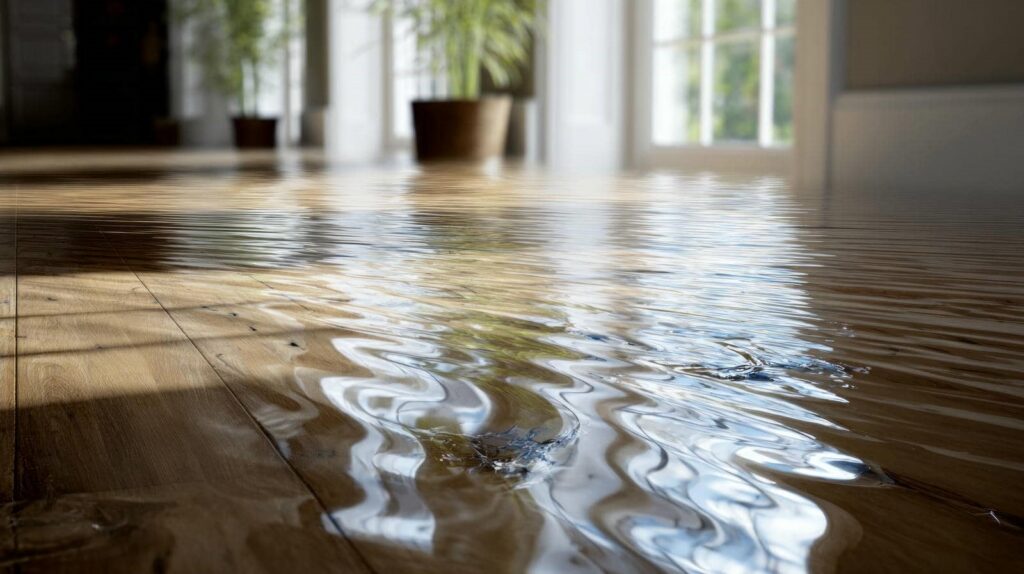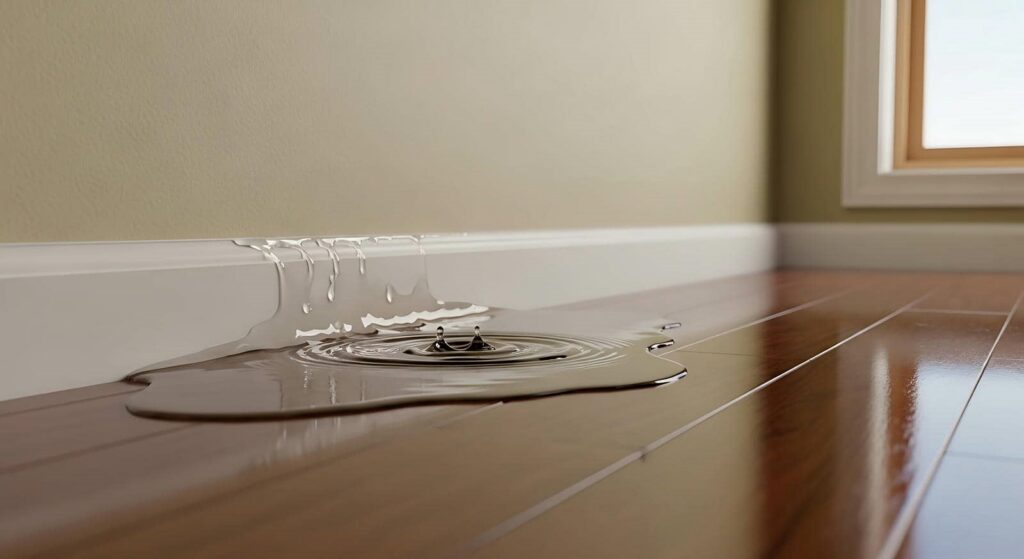
When a pipe bursts in your home, mold can begin to develop within just a couple of days if the moisture isn’t addressed. Understanding the dynamics of mold growth is essential for effective mold remediation. You’ll need to assess the extent of the infestation, implement safety precautions, and choose the right cleaning solutions. By following a systematic approach, you can ensure your living environment remains safe and mold-free. Let’s explore the necessary steps to achieve this.
Key Takeaways
- Act quickly to assess and eliminate moisture sources within 24 to 48 hours to prevent mold growth after water damage.
- Use personal protective equipment (PPE) and ensure proper ventilation during mold remediation to protect against inhalation of spores.
- Employ natural cleaning solutions and dehumidifiers to remove mold effectively and lower humidity levels for rapid drying.
- Conduct post-remediation assessments to confirm mold elimination and ensure the safety and health of the environment.
- Implement prevention strategies by fixing leaks, improving ventilation, and regularly inspecting moisture-prone areas to avoid future mold issues.
Understanding Mold Growth After Water Damage
When water damage occurs, it’s important to understand that mold can begin to grow within 24 to 48 hours. This rapid development hinges on mold biology, where spores thrive in damp conditions.
Identifying moisture sources is essential; leaks, flooding, or high humidity create ideal environments for mold proliferation. Once moisture settles, spores absorb it, triggering their growth cycle.
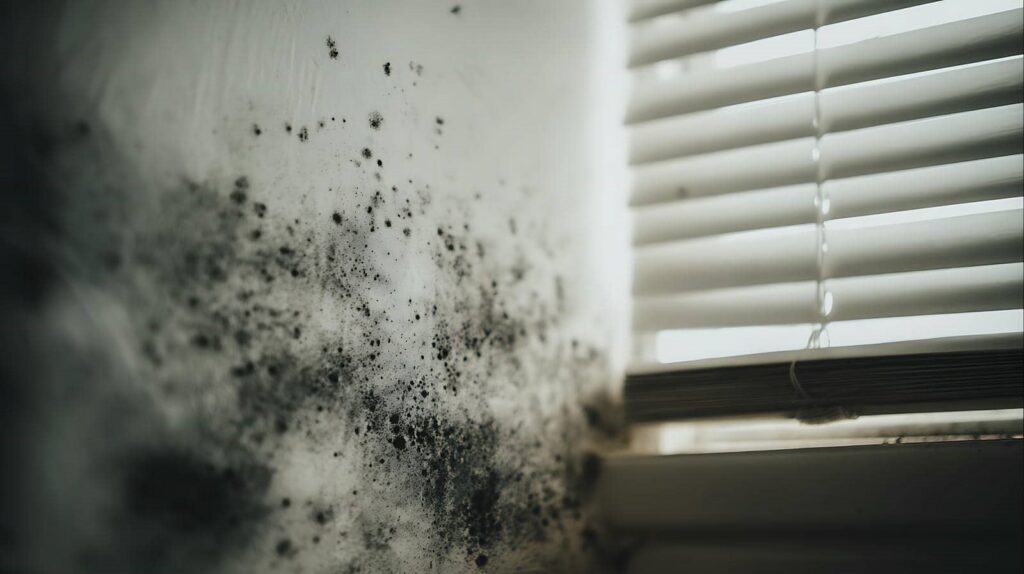
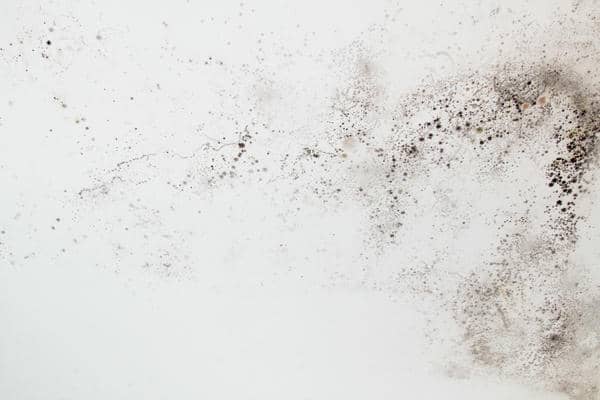
You might notice visible signs of mold, such as discoloration or a musty odor, indicating an active infestation. Understanding the conditions that favor mold is crucial for effective remediation.
In addition to addressing the visible symptoms, it’s necessary to eliminate the moisture sources to prevent recurrence. Proper ventilation and dehumidification can greatly reduce risks.
Assessing the Extent of Mold Infestation
To effectively assess the extent of mold infestation, you should start with a thorough visual inspection of the affected areas.
Look for signs of mold growth, such as discoloration or a musty odor, while also measuring moisture levels to identify hidden sources of water.
This combination of techniques will help you determine the severity of the infestation and inform your remediation strategy.
Visual Inspection Techniques
How can you effectively assess the extent of mold infestation in your property? Start by utilizing visual cues like discoloration, water stains, and musty odors, which often indicate hidden mold growth.
Employ inspection tools such as moisture meters and infrared cameras to identify moisture-laden areas conducive to mold development. Examine corners, basements, and behind appliances, as these are common hotspots.
Don’t overlook attics and crawl spaces, where humidity can accumulate unnoticed. Document your findings thoroughly, noting the severity and location of infestations.
This methodical approach helps you gauge the problem and prepares you for effective remediation. Remember, early detection is key in preventing further damage and maintaining a healthy living environment.
Moisture Level Measurement
Visual inspection alone mightn’t give you the complete picture of mold infestation; measuring moisture levels is an essential step in evaluating the problem.
To accurately assess the extent of mold growth, use moisture meters to pinpoint areas with elevated moisture content. These devices help you identify hidden dampness behind walls and under floors, which visual checks might miss.
Once you’ve gathered this data, you can implement effective humidity control strategies to prevent further mold development. Maintaining indoor humidity below 60% is vital for mold prevention.
Safety Precautions for Mold Remediation
Before starting mold remediation, you need to prioritize safety by using appropriate personal protective equipment.
Ensuring proper ventilation and airflow in the work area is essential to minimize inhalation of spores.
Additionally, employing containment and isolation techniques will help prevent mold from spreading to unaffected areas.
Personal Protective Equipment
When tackling mold remediation, wearing appropriate personal protective equipment (PPE) is essential to safeguard your health and well-being.
Protecting yourself against mold health risks is crucial, as exposure can lead to serious health issues. Equip yourself with the following protective gear:
- N95 respirator to filter airborne spores
- Safety goggles to shield your eyes from irritants
- Gloves (nitrile or rubber) to prevent skin contact
- Protective clothing (disposable coveralls) to minimize exposure
- Boots or shoe covers to keep your feet protected
Ventilation and Airflow
After ensuring your safety with proper personal protective equipment, the next step in mold remediation involves managing ventilation and airflow.
Effective air circulation is vital to prevent mold spores from settling and proliferating. Open windows and doors to promote natural airflow, but be mindful of external conditions. Using fans can enhance air movement, aiding in moisture evaporation.
Additionally, consider dehumidifiers to maintain ideal humidity control; keeping humidity levels below 60% greatly reduces mold growth risk. Regularly monitor the environment and adjust your approach as needed.
Containment and Isolation Techniques
To effectively manage mold remediation, implementing containment and isolation techniques is essential for minimizing exposure and preventing cross-contamination.
By utilizing mold containment strategies and establishing isolation barriers, you can create a safer environment during the remediation process. Here are key techniques to take into account:
- Seal off affected areas with plastic sheeting.
- Use negative air pressure machines to filter out airborne spores.
- Establish decontamination zones for workers and equipment.
- Ensure proper ventilation in unaffected areas to prevent the spread of spores.
- Regularly monitor air quality to assess the effectiveness of your containment efforts.
Effective Cleaning Solutions for Mold Removal
Although mold can quickly invade areas affected by water damage, effective cleaning solutions can help restore your space to a healthy condition.
To combat mold, consider using natural cleaning solutions, which are effective and safer for your home environment. Vinegar and baking soda are two excellent options that can disrupt mold growth without harsh chemicals.
For a more targeted approach, enzyme-based cleaners are particularly beneficial. These products contain enzymes that break down mold spores at the source, ensuring thorough removal.
When applying any cleaning solution, wear protective gear to safeguard your health.
After cleaning, make sure to ventilate the area well to aid in drying and minimize moisture.
Drying Techniques to Prevent Future Mold Growth
Effective cleaning solutions play an essential role in mold remediation, but without proper drying techniques, the risk of future mold growth remains high.
To effectively prevent mold after water damage, focus on dehumidification methods and airflow management.
- Use dehumidifiers to lower humidity levels quickly.
- Open windows and doors to enhance natural airflow.
- Employ fans to circulate air throughout affected areas.
- Remove soaked materials like carpets and drywall to expedite drying.
- Monitor moisture levels with a hygrometer to ensure effectiveness.
Implementing these techniques helps dry out your space and creates an environment less conducive to mold growth.
Utilizing Professional Equipment for Mold Remediation
When tackling mold remediation, utilizing professional equipment can greatly enhance the effectiveness of your efforts. High-quality mold testing kits allow you to accurately identify mold types and concentrations, guiding your remediation strategy.
Advanced remediation technology, such as HEPA vacuums and air scrubbers, helps in removing airborne spores and ensuring a thorough clean. By employing infrared cameras, you can detect hidden moisture that may promote mold growth, addressing issues before they escalate.
Additionally, using industrial dehumidifiers creates an ideal environment for mold removal, reducing humidity levels efficiently.
Professional equipment speeds up the remediation process and increases the likelihood of complete mold elimination. Investing in this technology underscores your commitment to a safe living environment, reinforcing your belonging to a community that values health and safety.
With the right tools, you’re better equipped to tackle mold issues effectively and confidently.
Post-Remediation Assessment and Prevention Strategies
After utilizing professional equipment for mold remediation, it’s crucial to conduct a post-remediation assessment to confirm all mold has been effectively eliminated.
This step ensures that your environment is safe and healthy, providing peace of mind for you and your loved ones.
Here are key strategies for a thorough assessment and prevention:
Mold Testing: Use professional mold testing services to confirm that all spores are removed.
Visual Inspection: Check all previously affected areas for signs of residual mold or moisture.
Air Quality Testing: Measure indoor air quality to ensure it meets safety standards.
Assess Remediation Effectiveness: Evaluate the success of the remediation process through follow-up testing.
Implement Prevention Strategies: Fix leaks, improve ventilation, and control humidity to prevent future growth.
Frequently Asked Questions
How Long Does It Take for Mold to Grow After Water Damage?
Mold can start growing within 24 to 48 hours after water damage, depending on factors like humidity, temperature, and material type. Understanding this mold growth timeline helps you take timely action to prevent extensive damage.
Can I Use Bleach to Kill Mold Effectively?
Using bleach is like putting a Band-Aid on a deeper wound; it might kill surface mold, but it doesn’t penetrate completely. Consider more effective mold alternatives that ensure thorough remediation and prevent future growth.
Will Mold Return After Remediation?
Yes, mold can return after remediation if you don’t implement mold prevention strategies. Regular post-remediation inspections help ensure your environment stays mold-free, allowing you to maintain a healthy space for yourself and your loved ones.
How Can I Tell if Mold Is Toxic?
You can tell if mold’s toxic by identifying specific types, like Stachybotrys. Watch for health symptoms such as respiratory issues or skin irritation. If you notice these, it’s essential to seek professional mold identification.
What Are the Costs Involved in Professional Mold Remediation?
Professional mold remediation costs can range from $500 to $6,000, depending on mold inspection costs and the complexity of remediation techniques. You’ll want to weigh the severity of the infestation and your specific needs.
Summary
Effective mold remediation is essential for restoring your space after water damage. By actively addressing moisture sources, employing proper cleaning methods, and utilizing professional equipment, you can eliminate mold and safeguard your environment. Remember, preventing mold is like fortifying your home against an invisible enemy; neglecting these steps invites a resurgence. Stay vigilant and conduct post-remediation assessments to ensure a healthy living space. Your proactive efforts today will pay off in a mold-free tomorrow.