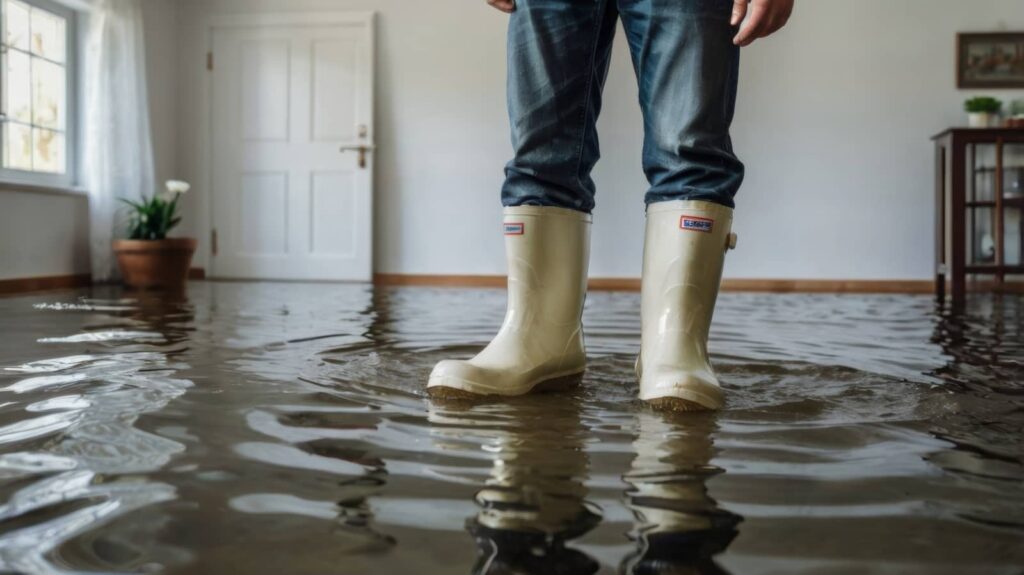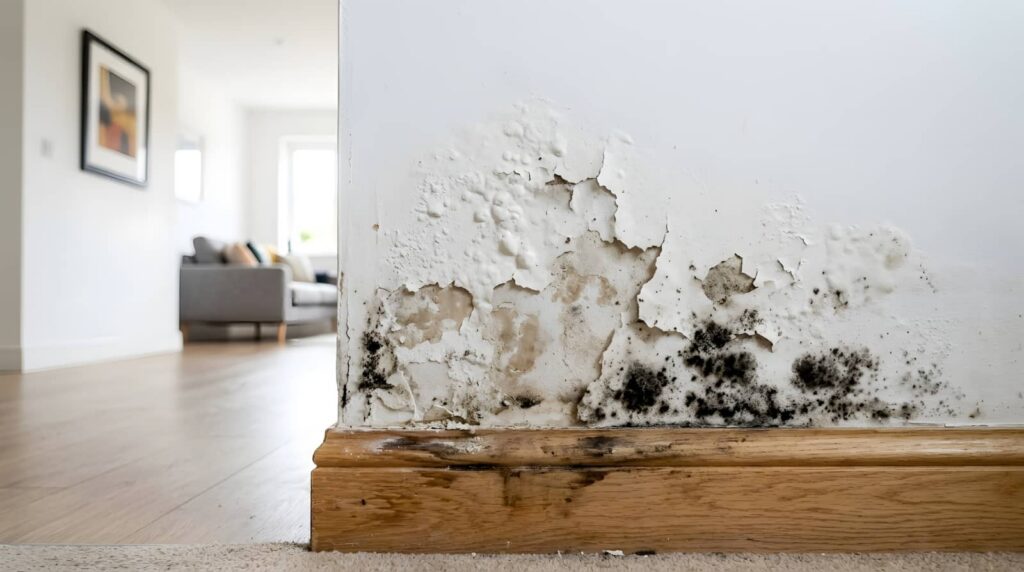
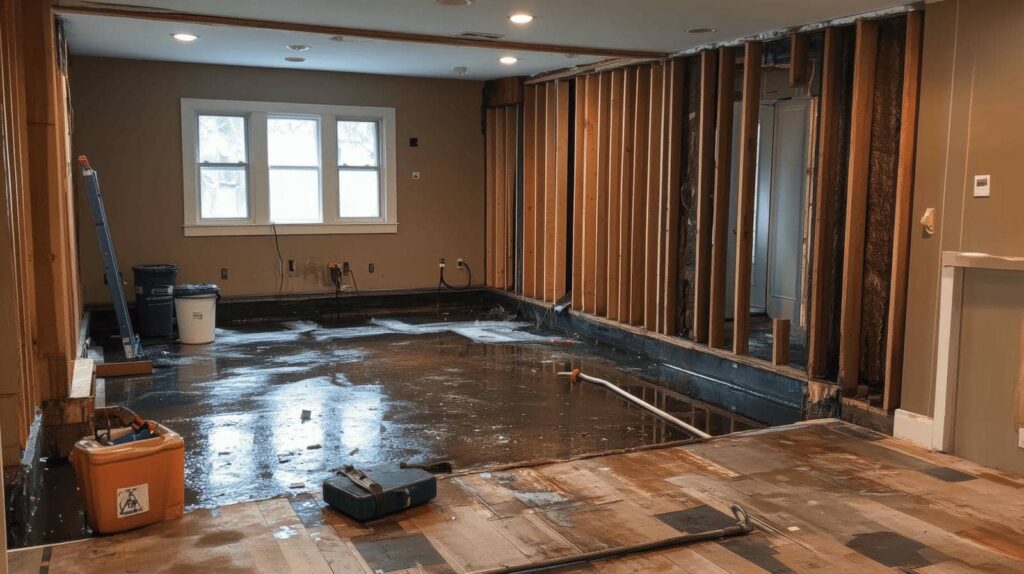
When dealing with flood cleanup insurance claims, it’s vital to approach the process methodically. Understanding your policy’s coverage limits and exclusions can greatly impact the outcome. Documenting all damage thoroughly and maintaining clear communication with your insurer are essential steps. However, maneuvering through claim denials and appeals can be complex. Knowing the right strategies can make a difference in your claim’s success. Let’s explore these pivotal tips further to ensure you’re well-prepared.
Key Takeaways
- Document all flood damage with detailed photographs and an inventory of affected items to support your claim effectively.
- Notify your insurance company immediately and familiarize yourself with their reporting procedures to ensure timely processing.
- Keep organized records of all expenses related to cleanup, repairs, and temporary accommodations for clear financial documentation.
- Communicate regularly with your insurance adjuster, maintaining a respectful tone and keeping a record of all interactions for reference.
- Understand your policy’s coverage limits and exclusions to avoid surprises during the claims process and potential denials.
Understand Your Insurance Policy
When you experience a flood, understanding your insurance policy becomes essential to maneuvering the claims process effectively. Familiarizing yourself with policy terminology helps clarify your coverage limits and specific conditions. Look closely at terms like “dwelling coverage” and “personal property coverage,” as these define what’s protected.
Moreover, it’s vital to identify coverage exclusions, which outline what your policy doesn’t cover. For instance, many policies exclude damage from sewer backup or mold growth, which can be common after flooding. Knowing these exclusions upfront can save you from unexpected out-of-pocket expenses later.
You should also check if your policy includes additional living expenses, as this can provide critical financial support during the recovery process.
Document the Damage Thoroughly
After grasping your insurance policy details, documenting the damage you’ve incurred becomes a pivotal step in the claims process.
Start by taking extensive photographic evidence of all affected areas. These images serve as a visual record, showcasing the extent of the damage. Verify you capture various angles and details, as this evidence can greatly impact your claim’s validity.
Next, create a detailed inventory of damaged items. List everything from furniture to personal belongings, noting their condition and estimated value. This thorough documentation helps you stay organized and reinforces your case when negotiating with insurers.
Remember to date your photographs and inventory list to provide a clear timeline of the damage.
Notify Your Insurance Company Promptly
When you experience flood damage, reporting it to your insurance company immediately is essential to expedite your claim process.
Make sure to provide all necessary documentation, including photos and receipts, to support your case.
Additionally, understanding your policy coverage will help you navigate the claims process more effectively.
Report Damage Immediately
Although you might feel overwhelmed after a flood, it’s crucial to report the damage to your insurance company as soon as possible.
Prompt reporting can greatly influence your claim process and expedite recovery efforts. Familiarize yourself with your insurance provider’s reporting procedures; this knowledge can guide your immediate actions.
Document the damage clearly and communicate accurately when you contact them. Be prepared to provide details like the extent of the damage, affected areas, and any emergency measures you’ve taken.
Remember, acting quickly helps your insurance company assess your situation more effectively, allowing you to access necessary resources sooner.
Provide Necessary Documentation
Providing necessary documentation is essential for a smooth insurance claim process following a flood. When you notify your insurance company, be prepared to submit claim forms promptly. These forms are vital for initiating your claim and should be filled out accurately to avoid delays.
Additionally, obtain detailed damage estimates from professionals, as these will substantiate your claims and help the insurer assess the extent of the loss. Keep copies of all correspondence and documentation, as this can strengthen your position during the claims process.
Understand Policy Coverage
Understanding your insurance policy coverage is vital for effective flood cleanup claims, especially since each policy can vary greatly. To navigate this process, first, identify your coverage limits. Knowing what your policy covers helps you gauge your potential compensation.
Next, be aware of policy exclusions, as these can greatly impact your claim. For instance, some policies may not cover certain types of water damage or may have geographical limitations.
Once you’ve reviewed your policy, it’s important to notify your insurance company promptly. Delaying this step might complicate your claim process, potentially reducing your benefits.
Keep Detailed Records of Expenses
When you face the intimidating task of flood cleanup, keeping detailed records of your expenses becomes essential to ensure you receive the compensation you’re entitled to. Effective expense tracking helps you document all costs incurred during the cleanup and aids in presenting a clear case to your insurance provider.
Start by organizing receipts for cleaning supplies, repairs, and any temporary accommodations. Utilize a spreadsheet or an expense-tracking app to categorize these expenses, ensuring financial organization is at the forefront of your recovery efforts.
Record dates, amounts, and descriptions for each expense, as this information strengthens your claim. Additionally, consider taking photographs of damaged items and the cleanup process, further substantiating your records.
Hire a Professional Restoration Service
Hiring a professional restoration service can considerably expedite your recovery after a flood, as these experts possess the necessary tools and knowledge to address complex damage effectively.
By leveraging their professional expertise, you gain several restoration benefits that can make your recovery smoother and more efficient.
Advanced equipment: Access to industrial-grade dehumidifiers and water extraction machines.
Detailed assessment: Identification of hidden damage, ensuring nothing goes unchecked.
Mold prevention: Timely treatment to prevent mold growth, safeguarding your health.
Insurance navigation: Assistance with documentation and claims, reducing your stress.
Engaging a professional service ensures a more thorough restoration and gives you peace of mind during a chaotic time.
Be Aware of Coverage Limits and Exclusions
Before filing a flood cleanup insurance claim, it’s essential to know your policy’s coverage limits and exclusions. Familiarize yourself with the specific coverage types your policy offers. Many homeowners believe they’re fully covered, only to discover later that certain damages are excluded.
For instance, standard homeowners insurance often has flood exclusions, meaning you mightn’t be covered for water damage from flooding unless you have a separate flood insurance policy.
Take the time to read through your policy documents, focusing on sections that detail coverage limits and any exclusions. It’s vital to understand how much you can claim and under what circumstances.
If you’re unsure, reach out to your insurance agent for clarification. Being informed about these details can greatly impact your claim process and your ability to recover from flood damage effectively. Knowing your coverage helps you navigate the claims journey with confidence.
Communicate Clearly With Your Adjuster
Effective communication with your insurance adjuster is essential for a smooth claims process, ensuring that all pertinent information is accurately conveyed and understood.
Building strong adjuster relationships hinges on this clarity. Here are key points to evaluate:
Be Direct: State your concerns and needs clearly to avoid misunderstandings.
Document Everything: Keep a record of all communications, including dates and details.
Ask Questions: Don’t hesitate to clarify any terms or processes that seem complex.
Be Respectful: A courteous tone fosters a positive environment, encouraging cooperation.
Follow Up Regularly on Your Claim Status
Regularly following up on your claim status is crucial to ensure your case progresses smoothly. Effective claim follow-ups can help you stay informed and demonstrate your commitment to the process.
When you communicate with your insurance company, keep a record of your conversations, noting dates, names, and key points discussed. This provides a timeline for your claim and reinforces your position as an engaged policyholder.
Establish a routine for checking in—whether it’s once a week or bi-weekly—depending on the complexity of your claim. Use these touchpoints to inquire about any required documents or additional information needed to expedite your case.
Open and clear insurance communication fosters a cooperative relationship with your adjuster, which can lead to a more favorable outcome. Ultimately, your diligence helps ensure that your claim is processed efficiently, allowing you to focus on rebuilding and recovery.
Appeal Denied Claims if Necessary
If your claim gets denied, it’s essential to understand your policy limitations before proceeding with an appeal.
Gather all supporting documentation, including photos and repair estimates, to bolster your case.
This thorough preparation can greatly increase your chances of a successful appeal.
Understand Policy Limitations
Understanding your insurance policy limitations is essential after a flood, as these constraints can greatly impact your claim’s outcome. Familiarizing yourself with policy exclusions and coverage limits helps you navigate the claims process more effectively.
Here are key aspects to take into account:
Policy Exclusions: Identify what’s not covered, like certain types of damage or specific items.
Coverage Limits: Know the maximum amount your insurer will pay for different damages.
Deductibles: Understand how much you’ll need to pay out-of-pocket before coverage kicks in.
Claim Process: Familiarize yourself with the necessary steps and timelines for filing your claim.
Being proactive about these limitations enables you to make informed decisions, ensuring you’re prepared to appeal denied claims if necessary.
Gather Supporting Documentation
Gathering supporting documentation is essential for substantiating your flood insurance claim and can be especially important if you need to appeal a denied claim.
Start by collecting all relevant insurance documentation, including your policy details and any correspondence with your insurer.
Document the flood damage thoroughly with photographs and video evidence, capturing both the extent and specific areas affected.
Keep records of any repairs made and the associated costs, as this detailed approach can strengthen your case.
Additionally, gather receipts for temporary housing or other expenses incurred due to the flood.
This thorough method clarifies your situation and reinforces your credibility, making it easier to appeal denied claims effectively.
Frequently Asked Questions
How Long Do I Have to File a Flood Insurance Claim?
You typically have 60 days to file a flood claim after the incident. Understanding flood claim deadlines is essential, as timely action can streamline the filing process and ensure you receive the compensation you deserve.
Can I Claim for Temporary Living Expenses After a Flood?
Yes, you can claim temporary housing expenses after a flood. Confirm you gather all claim documentation, including receipts and proof of displacement, to support your request. This can help ease your changeover during recovery.
What Types of Damages Are Typically Excluded From Coverage?
Flood exclusions often include water damage from sewer backups, neglected maintenance, and gradual leaks. It’s crucial to review your policy’s specifics, as understanding these exclusions can help you navigate potential claims more effectively.
Will My Insurance Premium Increase After Filing a Claim?
Filing a claim might lead to premium adjustments, especially if you’re a frequent filer. Insurers often reassess risk based on claim frequency, so it’s wise to contemplate long-term implications before proceeding.
How Does My Deductible Affect My Flood Claim Payout?
Your deductible directly impacts your flood claim payout; higher deductibles mean lower payouts. To maximize your claim, consider strategies that minimize out-of-pocket expenses while ensuring you document all damages accurately and thoroughly for the insurer.
Summary
Guiding flood cleanup insurance claims can seem overwhelming, but understanding your policy and being organized makes a significant difference. You might worry that the process is too complex or time-consuming, but by following these tips, you’ll streamline your efforts and maximize your potential compensation. Remember, staying proactive and maintaining clear communication with your insurer can lead to a more favorable outcome. Don’t let uncertainty hold you back—take control of your claim and recover effectively from the damage.