
Key Takeaways
- Act quickly by contacting recovery services to minimize damage and streamline the restoration process.
- Document all damage thoroughly with photos and lists to support insurance claims effectively.
- Schedule structural assessments to ensure safety and determine the extent of repairs needed.
- Utilize mold prevention strategies by drying affected areas within 24-48 hours to avoid health risks.
- Engage with local organizations for resources and support, fostering community connections during recovery.
Why Swift Action Is Crucial for Flood Recovery
When a flood strikes, acting quickly can make all the difference in your recovery. Delaying your response can worsen damage and complicate your insurance claims.
Start by documenting everything—photos of the damage and a detailed list of affected items will support your claim and streamline the process.
Don’t hesitate to reach out to your community for support. Local organizations often provide resources, assistance, and a sense of belonging during these trying times.
You’re not alone; many have faced similar challenges and can offer valuable advice.
Essential Steps for Effective Flood Damage Recovery
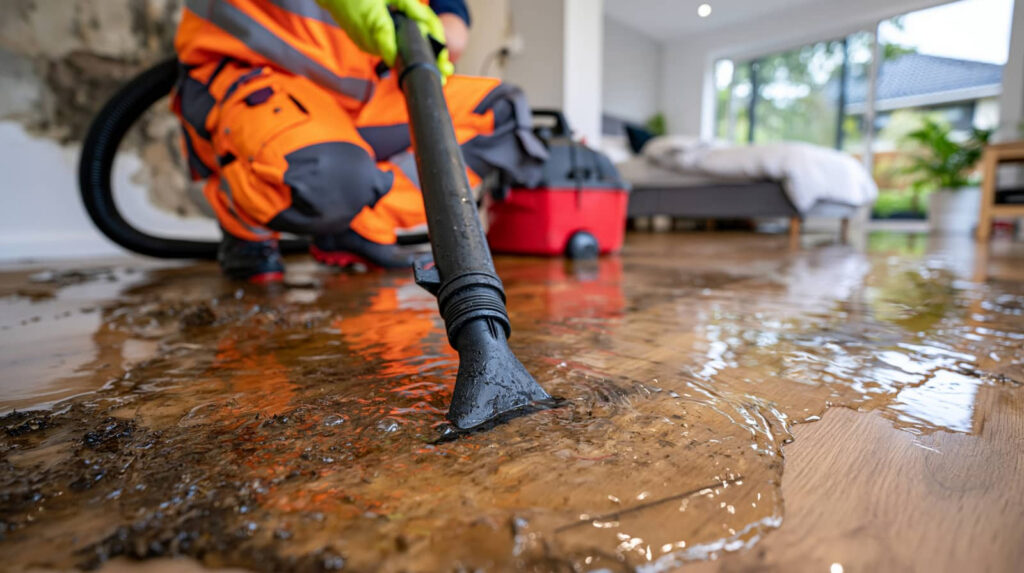
After taking swift action to document the damage and gather support, it’s time to focus on the recovery process.
Start by contacting your insurance provider to file claims as soon as possible. They’ll guide you through the necessary steps, ensuring you receive the help you need.
Next, arrange for structural assessments to determine the extent of the damage. This evaluation is essential for both safety and future repairs.
Keep records of all communications and assessments to support your claims. You’re not alone in this—reach out to local recovery services for expert assistance. Their experience can ease the burden and help you navigate this challenging time.
Mold Remediation as Part of Flood Recovery
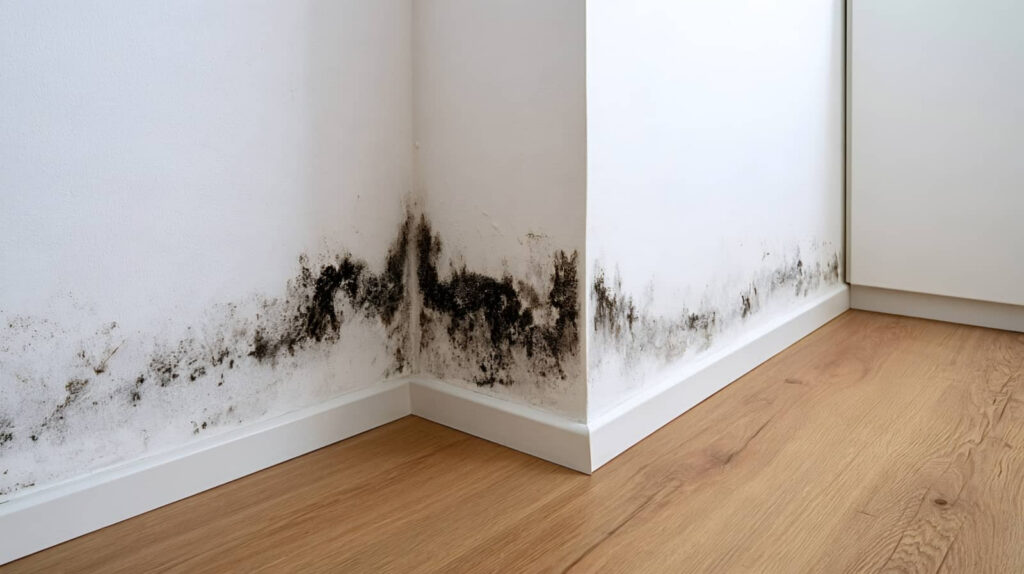
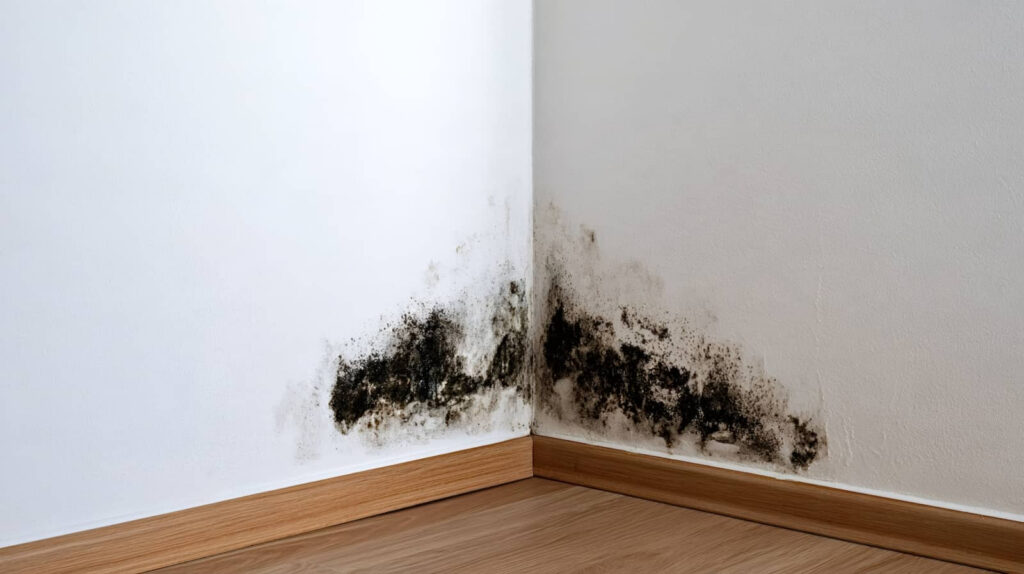
Mold can quickly become a major concern if you don’t address water damage promptly. It thrives in damp environments, so tackling moisture is essential for mold prevention.
Start by thoroughly drying affected areas within 24-48 hours to maintain good air quality in your home. Consider using dehumidifiers and fans to help eliminate moisture, and check hidden spots like behind walls or under carpets.
If you spot mold, it’s important to act fast. You might want to consult professionals who can safely remove it and restore your home.
Frequently Asked Questions
How Can I Prevent Future Flood Damage to My Property?
To prevent future flood damage, invest in effective drainage systems and apply waterproofing techniques around your property. Regular maintenance and inspections can also help you stay ahead of potential issues, ensuring your home remains safe and dry.
What Insurance Coverage Is Necessary for Flood Damage Recovery?
To safeguard your home, you need flood insurance with extensive coverage options. This protects you like a sturdy dam against unexpected waters. Don’t leave your future to chance; invest in peace of mind today.
Are DIY Flood Recovery Methods Effective?
DIY flood recovery methods can be effective if you use proper flood restoration techniques and reliable cleaning equipment. However, for extensive damage, it’s often best to consult professionals who understand the complexities involved.
How Long Does the Flood Recovery Process Typically Take?
Flood recovery timelines vary widely; while some recover quickly, others face prolonged challenges. Factors like damage extent and weather conditions greatly influence your recovery process, but together, you can navigate this journey toward restoration and healing.
What Signs Indicate Hidden Flood Damage in My Home?
Look for hidden mold in damp areas, like basements and behind walls. Check for warped floors or ceilings, which can signal compromised structural integrity. These signs suggest water damage that needs prompt attention to prevent further issues.
Recap
As you navigate the turbulent waters of flood recovery, remember that swift action can turn chaos into clarity. Picture your home once again filled with warmth and laughter, free from the shadows of damage. By documenting every step and seeking professional help, you’re not just restoring your space; you’re reclaiming your peace of mind. Embrace the support around you, and let each small victory guide you toward brighter, drier days ahead.